 Trend Grid 24 Editorial Team
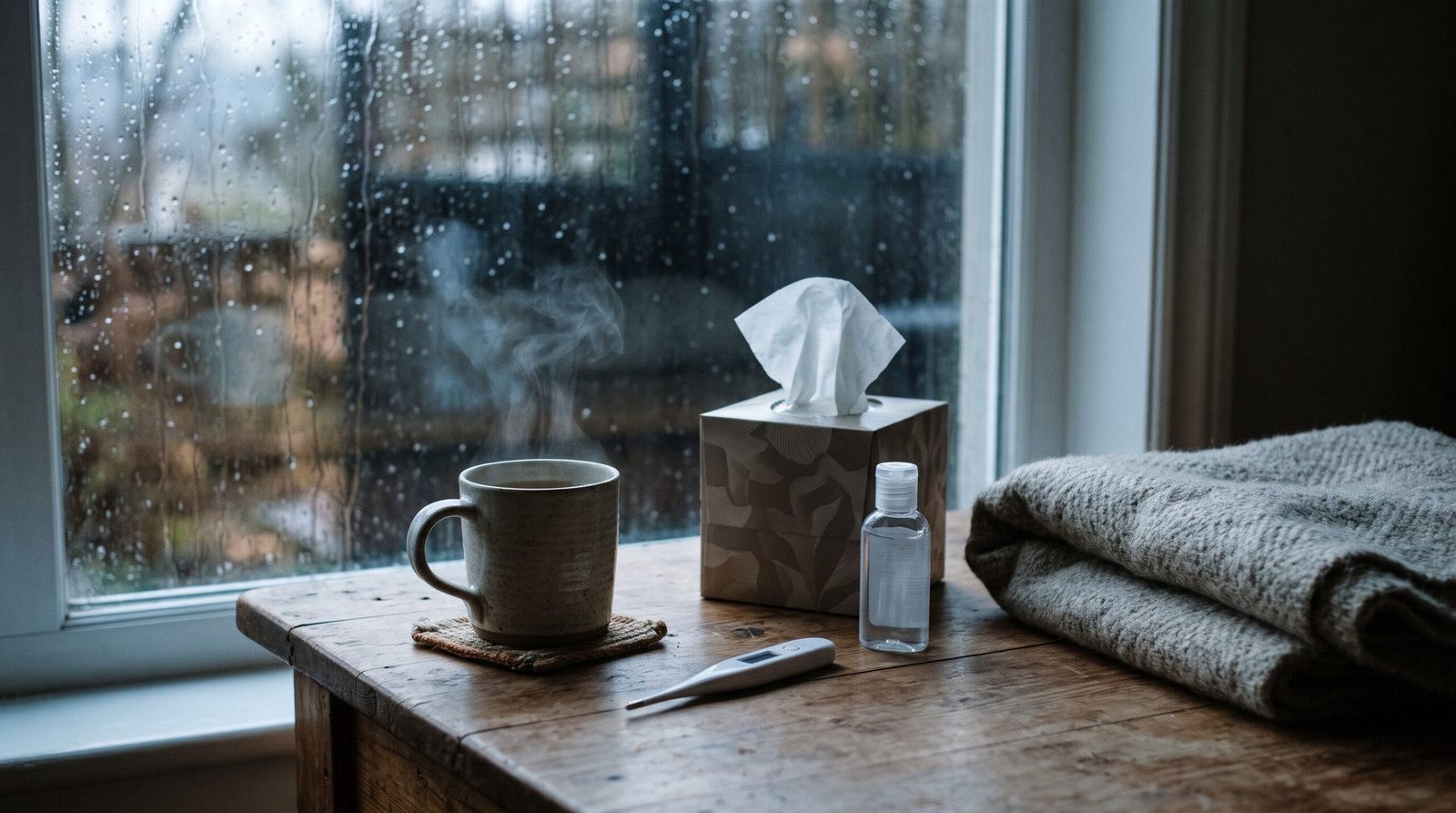
Winter changes how we live: colder air, shorter days, more time indoors and more coughs and colds going around. These winter health tips are simple habits that help you stay well, warm and safe, whether you live somewhere with snow or somewhere with mild, chilly weather.
This guide shares seven winter health tips based on guidance from the US Centers for Disease Control and Prevention (CDC) and emergency-preparedness agencies. It is general information, not medical advice.
This article is general information, not medical advice. For personal health questions, talk to a doctor or pharmacist. In an emergency, contact your local emergency services.
Key Takeaways
- The basics still matter most: ask about a flu vaccine, wash your hands, stay home when you are sick and rest.
- Warmth is a safety issue: dress in layers, know the warning signs of hypothermia and keep your home heated safely.
- Carbon monoxide kills silently: never heat your home with a gas stovetop or oven, and keep a detector near your bedrooms.
- Keep moving and sleeping well: aim for seven or more hours of sleep and build movement into your week.
- Look out for others: check on older neighbours and people who live alone.
Why Winter Health Tips Matter
Cold weather brings specific risks. Ready.gov notes that winter storms raise the risk of car accidents, hypothermia, frostbite, carbon monoxide poisoning and heart attacks from overexertion. In the United States, a news report citing the CDC said more than a thousand people died in 2023 from excessive cold or hypothermia.
Illness is part of the picture too. As the flu season arrives, health experts encourage people to prepare by reviewing vaccination options, practising everyday prevention habits and knowing when to seek treatment.
7 Winter Health Tips to Stay Well
1. Ask About a Flu Vaccine
The first of these winter health tips is also the most important. The CDC says the single best way to reduce the risk of seasonal flu and its potentially serious complications is to get vaccinated each year. Vaccine recommendations vary by age, health condition and country, so ask your doctor or pharmacist what is right for you. Read the CDC’s flu prevention tips, and for the latest numbers see our early flu season guide.
2. Wash Your Hands and Avoid Touching Your Face
The CDC advises washing your hands often with soap and water, and using an alcohol-based hand rub if soap and water are not available. It also recommends avoiding touching your eyes, nose and mouth, since germs spread easily this way. Cover your cough or sneeze with a tissue and throw it away afterwards.
3. Stay Home When You Are Sick
If possible, stay home from work, school and errands when you are sick, so you don’t pass illness on to others. Health departments echoing CDC guidance say to stay home until you have been fever-free for 24 hours without fever-reducing medication and your symptoms are getting better. Wearing a mask is an additional prevention strategy that you can choose, according to the CDC.
4. Dress in Layers and Know the Warning Signs of Hypothermia
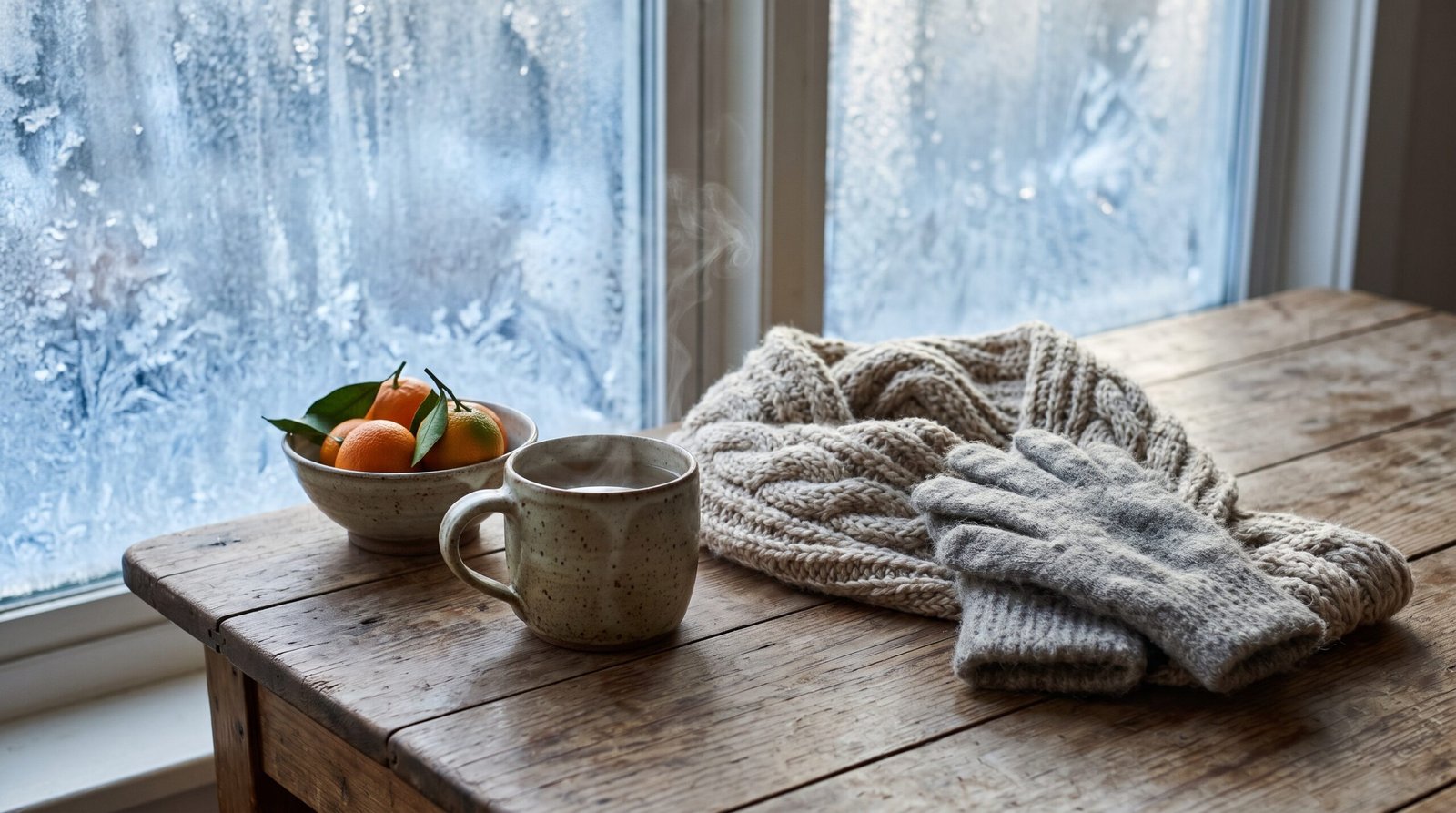
Dress in several layers of loose, warm, windproof clothing, and wear a hat that covers your ears, a scarf and mittens, ideally with liners. Warm socks that wick sweat away from the skin also help.
Know the warning signs. In adults, hypothermia can include shivering, confusion, memory loss, drowsiness, exhaustion and slurred speech. Infants may appear to have very low energy and bright red, cold skin. If you see these signs, seek medical help right away.
5. Heat Your Home Safely and Protect Against Carbon Monoxide
Carbon monoxide (CO) is an odourless, colourless gas that can be fatal. Follow these safety points from FEMA and health departments:
- Never heat your home with a gas stovetop or oven.
- Use generators and grills outdoors only, away from windows and doors.
- Follow the manufacturer’s instructions for space heaters, which can pose fire and electric-shock hazards if used incorrectly.
- Install a carbon monoxide detector near the bedrooms in your home.
CO poisoning symptoms can mimic the flu, and include fatigue, headache, dizziness, nausea and confusion. A key warning sign is symptoms that disappear when you get into fresh air. If you suspect exposure, get to fresh air immediately and call emergency services. For official guidance, read Ready.gov’s winter storm safety page and the CDC’s winter weather page.
6. Keep Moving, Sleeping and Eating Well
It is tempting to hibernate in winter, but your body still needs the basics. WHO guidance for healthy adults is 150 to 300 minutes of moderate activity a week, and the CDC advises adults to get seven or more hours of sleep. Indoor exercise such as brisk walking at home, stretching or bodyweight workouts counts. Our guide to healthy daily habits explains how to build these routines, and our healthy breakfast ideas can help you start cold mornings with a balanced meal.
Be careful with heavy exertion in the cold. Ready.gov warns that overexertion, such as shovelling snow, can lead to heart attacks, so take breaks and don’t overdo it.
7. Look Out for Others and Be Prepared
Looking after others is one of the most overlooked winter health tips. FEMA advises checking on neighbours, especially older people and anyone who lives alone. Prepare for power outages and bad weather by keeping flashlights, spare batteries, blankets and essential medicines at home. Pay attention to weather reports and warnings, and sign up for your community’s alert system if one exists.
Winter Health Tips Checklist
Use this checklist of winter health tips each week:
| Habit | Done? |
|---|---|
| Asked my doctor or pharmacist about the flu vaccine | ☐ |
| Washed hands before meals and after coming home | ☐ |
| Stayed home (and rested) if feeling unwell | ☐ |
| Dressed in layers, hat and gloves when going out | ☐ |
| Checked carbon monoxide detector and heater safety | ☐ |
| Got 7+ hours of sleep most nights (adults) | ☐ |
| Did some light exercise most days | ☐ |
| Checked on an older neighbour or relative | ☐ |
Winter Health Tips: Common Mistakes to Avoid
- Heating with a gas oven or stove. This is dangerous because of carbon monoxide.
- Running generators or grills indoors or near windows.
- Ignoring early signs of hypothermia such as confusion or slurred speech.
- Going to work or school while sick, which spreads illness.
- Skipping exercise and sleep because it’s cold and dark.
- Overexerting yourself when shovelling snow or lifting heavy loads in the cold.
- Forgetting about others who may be isolated or vulnerable.
More wellbeing reading is in our Health category.
Conclusion: Make Winter Health Tips a Habit
The best winter health tips are simple and practical: ask about vaccination, wash your hands, stay home when sick, dress in layers, use heaters and generators safely, keep a carbon monoxide detector, stay moving, keep well and look out for others. Start with two winter health tips this week, such as a flu-vaccine check and a carbon monoxide check, and add more over time. If you’re unsure about your health, stay safe and seek professional advice whenever you are unsure.
Disclaimer: This article is for general educational purposes only and does not replace professional medical advice, diagnosis or treatment. Always consult a qualified health provider about your individual needs.
Frequently Asked Questions
Q1. What are the best winter health tips?
Based on CDC and emergency-agency guidance: ask about a yearly flu vaccine, wash your hands, stay home when sick, dress in layers, use heaters and generators safely, keep a carbon monoxide detector, and stay active and well rested.
Q2. How can I tell if someone has hypothermia?
Warning signs in adults include shivering, confusion, memory loss, drowsiness, exhaustion and slurred speech. Infants may have very low energy and bright red, cold skin. Seek medical help immediately.
Q3. Why is carbon monoxide a winter risk?
People use heaters, generators and grills more in cold weather, and these can produce carbon monoxide if used incorrectly. Never heat a home with a gas oven or stove, and install a carbon monoxide detector near bedrooms.
Read more on TrendGrid24.com