
 admin
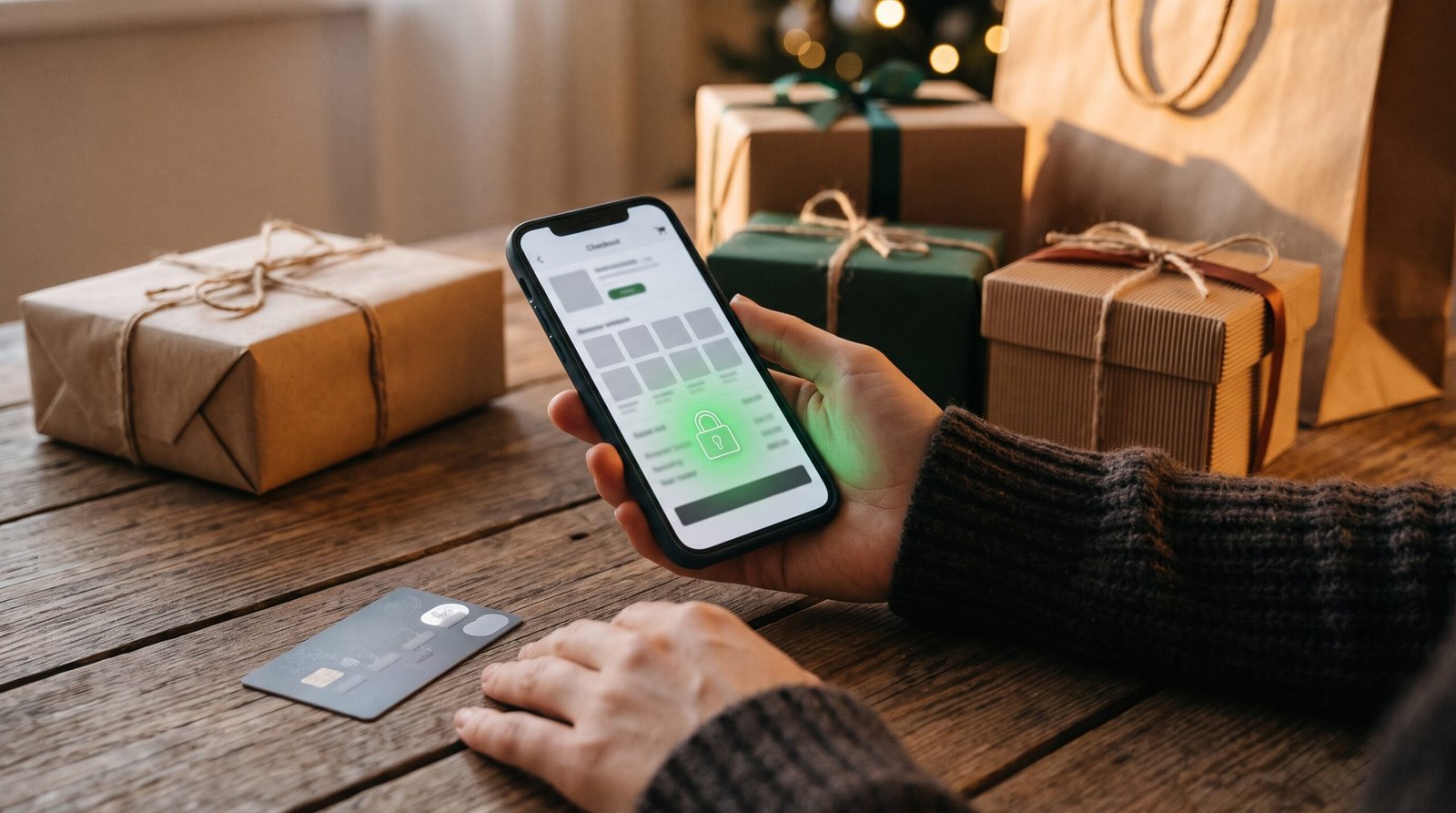
Black Friday Shopping Tips: 8 Best Ways to Avoid Scams
Every November, the biggest sales of the year arrive, and so do the scammers. Fake shopping sites, bogus delivery messages and “too good to be true” prices all multiply when millions of people are hunting for bargains. These Black Friday shopping tips will help you plan, spot a real deal and protect your money.
This article is general consumer information, not legal or financial advice. Consumer rights vary by country, so check your local rules.
In This Article
(In WordPress, replace this list with the Rank Math “Table of Contents” block.)
- Black Friday Shopping Tips: Know the 2026 Dates
- Plan Before You Shop
- 8 Black Friday Shopping Tips to Avoid Scams
- How to Check If a Deal Is Real
- Mistakes to Avoid
- Quick Safety Checklist
- FAQs
Black Friday Shopping Tips: Know the 2026 Dates
Black Friday 2026 falls on Friday, November 27, the day after US Thanksgiving on Thursday, November 26. Cyber Monday follows on Monday, November 30. Many retailers stretch the sales into a “Cyber Week” running from November 27 to December 3, and deals often start weeks earlier during a “Black Week.”
Because start dates differ by store and country, always check the retailer’s own website for its exact timing, and be wary of any “sale” that isn’t announced on the official site.
Plan Before You Shop
The best Black Friday shopping tips start before the sales do:
- Make a list. Write down what you actually need, and a budget for each item.
- Research early. Compare products and prices in the weeks before, so you recognise a good deal when you see one.
- Count the full cost. The FTC advises factoring shipping and handling into the total, along with your needs and budget.
- Use AI tools carefully. Many shoppers now use AI to compare products, but results can be wrong or outdated, so verify prices on the retailer’s site. See our guide to AI in everyday life for safe-use tips.
8 Black Friday Shopping Tips to Avoid Scams
1. Research the Seller First
Before you buy from a site you don’t know, the FTC suggests searching for the seller’s name and the web address from the ad, along with words like “review,” “complaint” or “scam,” to see what others say. Fake websites can appear in search results and in phishing emails that look like they came from companies you trust.
2. Be Suspicious of Unusually Low Prices
The FTC warns that unusually low prices are a sign of a scam. Fake shopping ads often show expensive items, such as electric scooters, designer bags and popular toys, at unbelievably low prices on social media. If a price looks impossible, treat it as a warning, not a bargain.
3. Pay by Credit Card When Possible
The FTC says credit cards offer extra protection and let you dispute charges if you don’t receive what you ordered. One consumer columnist adds that debit cards are directly tied to your bank account, so fraudulent transactions can do quick damage. Protections differ between countries and card providers, so check your own card’s rules.
4. Refuse Unusual Payment Methods
Avoid sellers who insist on payment by gift cards, wire transfers, payment apps or cryptocurrency, which the FTC calls common scam red flags. For more on why, read our cryptocurrency scam red flags guide.
5. Don’t Trust Surprise Delivery Messages
Black Friday is peak season for fake shipping notices and phishing emails or texts posing as a retailer or card company. Don’t click links in unexpected messages. Instead, open the retailer’s official app or website, or call a number printed on an official site or the back of your card, not one texted to you.
6. Ignore Pressure and Countdown Tricks
The FTC advises ignoring calls for immediate action, because scammers want you to act before you have time to think. Genuine offers will still be there after a few minutes of checking. “Only 2 left!” timers and “pay now or lose it” messages are classic pressure tactics.
7. Check the Checkout and Keep Devices Updated
Before you enter card details, check that the web address starts with “https,” as FTC guidance has advised. Remember that “https” is only a minimum, not proof that a seller is honest, so combine it with the other checks. Keep your phone and computer updated and use strong, unique passwords.
8. Keep Records and Report Scams
Save order confirmations, screenshots and receipts, and check your bank or card statements often. If something goes wrong, contact the seller first, then your card provider. In the US you can report scams at ReportFraud.ftc.gov; elsewhere, use your national consumer protection or cybercrime agency.
For the FTC’s full advice, see its Shopping Online guide. More money-smart reading is in our Finance category and Trending Topics category.
How to Check If a Black Friday Deal Is Real
Not every scam is a fake site. Some “deals” are simply not as good as they look.
- Compare prices across retailers. Price comparison sites can show whether a discount is genuine.
- Look at price history. If a price tracker shows the same price last month, the “sale” is not new.
- Check the model number. Some products sold during sales may be slightly different versions from the regular model, so confirm the specs. (This is a general consumer tip, so check it against the manufacturer’s page.)
- Read the fine print. Look at return policies, warranty terms, delivery dates and exclusions before you pay.
- Beware of “free trials” and subscriptions. Check whether a deal signs you up for recurring charges.
Mistakes to Avoid
- Impulse buying. Stick to your list and budget.
- Clicking sale links in ads or messages. Go to the retailer’s site directly.
- Reusing passwords. One leaked password can expose several accounts.
- Using public Wi-Fi to pay. Prefer a trusted network when entering payment details.
- Ignoring return policies. Know your return window before you buy. Your rights depend on your country.
Quick Safety Checklist
| Before you pay, ask… | Yes / No |
|---|---|
| Have I searched the seller’s name plus “scam” or “complaint”? | ☐ |
| Is the price believable compared with other stores? | ☐ |
| Am I paying by credit card or another protected method? | ☐ |
| Did I reach this site directly, not through a random link? | ☐ |
| Am I free from time pressure, or asked for a gift card or crypto? | ☐ |
| Have I saved the receipt and checked the return policy? | ☐ |
Conclusion
The best Black Friday shopping tips come down to a few habits: plan ahead, research sellers, doubt unrealistic prices, pay with protected methods and ignore pressure. With a little caution, you can enjoy the savings of Black Friday and Cyber Monday without handing your money to scammers.
Read more on TrendGrid24.com
Disclaimer: This article is for general information only and does not replace legal or financial advice. Sale dates and consumer rules vary by retailer and country.
4. FAQs
Q1. When is Black Friday 2026?
Black Friday 2026 is Friday, November 27. Cyber Monday is Monday, November 30. Many stores start deals earlier, so check each retailer’s website.
Q2. What are the best Black Friday shopping tips for beginners?
Make a list and a budget, research prices in advance, buy only from sellers you have checked, and pay with a protected method such as a credit card where available.
Q3. How can I spot a fake shopping website?
Look for unusually low prices, no verifiable seller information, pressure to act fast and requests for payment by gift card, wire transfer or crypto. Search the seller’s name with “scam” or “complaint” first.
Q4. Is it safe to click Black Friday deal links in emails and texts?
It’s safer to go directly to the retailer’s official website or app. Scammers use fake emails and texts to send people to bogus sites.
Q5. What should I do if I think I’ve been scammed?
Contact your card provider or bank right away, gather your records and report the scam to your national consumer protection agency. In the US, use ReportFraud.ftc.gov.