 Trend Grid 24 Editorial Team
The International Court of Justice has ruled that Myanmar committed genocide against the Rohingya, in the first verdict of its kind in the court’s 80-year history. The ICJ Myanmar genocide ruling, delivered in The Hague on Thursday 19 November 2026, found by nine votes to six that Myanmar’s military carried out a campaign against the Rohingya in 2017 with the intent to destroy the group, in violation of the 1948 Genocide Convention.
It is the first time the World Court has ever held a state responsible for committing genocide. The judgment is final and binding, and cannot be appealed — but the court has no police force of its own, so the question now is whether the world can turn a historic legal verdict into real consequences for the Rohingya.
Key Takeaways
- The ICJ ruled 9–6 that Myanmar committed genocide against the Rohingya in northern Rakhine State in 2017, violating the Genocide Convention.
- It is the first time since 1945 that the court has found a state responsible for committing genocide.
- The court found an estimated 10,000 Rohingya were killed, and that the military committed widespread sexual violence and “extreme violence against children”.
- Myanmar must stop the violations, investigate and punish those responsible, and pay reparations — including allowing the safe, voluntary return of refugees.
- The case was brought by The Gambia in 2019; the verdict took seven years of deliberations and three hours to read out.
- The judgment is final and binding, but the ICJ cannot enforce it. The Gambia could now take the case to the UN Security Council.
What the court actually ruled
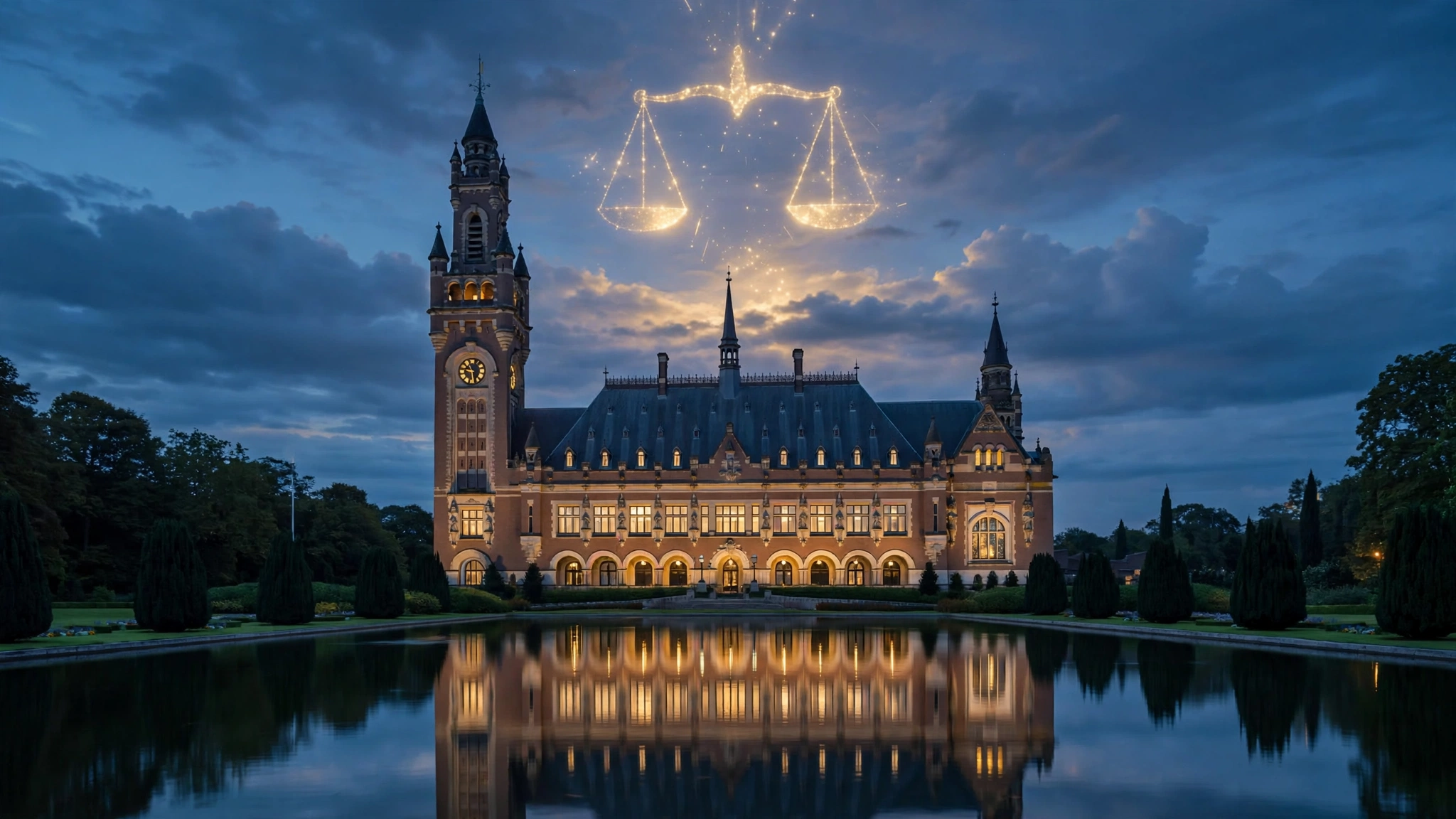
ICJ President Yuji Iwasawa read the verdict over about three hours at the Peace Palace in The Hague. The court found that Myanmar’s security forces “and other State organs” intentionally committed acts prohibited by Article II of the Genocide Convention: killing members of the group, causing serious bodily and mental harm, and imposing measures intended to prevent births within the group.
The judges found that Myanmar’s forces killed thousands of Rohingya in Rakhine State, committed widespread sexual violence, and carried out acts of “extreme violence against children”. Villages were “systematically destroyed”, then bulldozed and rebuilt with security installations and settlements for non-Rohingya residents. High-ranking officials spread anti-Rohingya hate speech portraying the group as “subhuman and a violent threat”.
One detail carried particular legal weight: the court found that the murder of infants during the operations “supports the inference that Myanmar’s security forces acted with the intent to prevent births among the group” — one of the specific genocidal acts listed in the Convention. The court also ruled that Myanmar failed in its obligation to prevent genocide, finding its military knew there was a risk of genocide when armed civilians and allied militias joined the campaign.
The 191-page ruling resolves questions that have surrounded the definition of genocide for decades — above all, how the specific intent to destroy a group can be proven. The court concluded that the scale and nature of the atrocities were “characteristic of an intent to destroy a substantial part of the group”.
The 2017 crackdown, in numbers
The military operations at the heart of the case began in August 2017, after attacks by the Arakan Rohingya Salvation Army (ARSA) on police posts. Myanmar’s armed forces, known as the Tatmadaw, launched what it called “clearance operations” across northern Rakhine State. A United Nations fact-finding mission concluded in 2019 that the Tatmadaw had committed “genocidal acts”.
| Rohingya killed | An estimated 10,000 during the 2017 clearance operations |
| People who fled | About 700,000–750,000 crossed into Bangladesh within months |
| Villages destroyed | Nearly 400 — around 40% of the almost 1,000 villages in three northern Rakhine townships |
| Rohingya in Bangladesh now | About 1.2 million, mostly in the Cox’s Bazar camps |
| Rohingya still in Myanmar | About 520,000, living under severe restrictions |
| Total displaced across the region | More than 1.3 million, according to the UN refugee agency |
Survivors told the court of mass killings, torture and rape. Witnesses from the villages of Min Gyi, Chut Pyin and Maung Nu described villages and bridges set alight and bulldozed, men and boys executed, and girls and women raped. Thousands more died in shipwrecks as they fled on perilous boat journeys across the Bay of Bengal.
How the case reached The Hague
The case was brought in November 2019 by The Gambia, a small West African nation thousands of miles from Myanmar. Backed by the 57-member Organisation of Islamic Cooperation, The Gambia argued that Myanmar had committed genocide in violation of the 1948 Genocide Convention. Its legal team was led by then-Justice Minister Aboubacarr Tambadou; the current Justice Minister, Dawda A Jallow, led the final hearings in January 2026.
The case took an extraordinary turn at its outset: Myanmar’s then-leader and Nobel Peace Prize winner Aung San Suu Kyi personally appeared at the court and called The Gambia’s claims “incomplete and misleading”. But in January 2020 the court ordered Myanmar to take emergency measures to prevent genocide — a move experts called a “stunning rebuke” to Suu Kyi. Eleven countries applied to support the case. Myanmar, now ruled by military leader Min Aung Hlaing — the general who commanded the 2017 crackdowns and seized power in the 2021 coup — denied the allegations, arguing its military was forced to respond to armed attacks.
Who are the Rohingya?
The Rohingya are a largely Muslim ethnic group based mainly in Myanmar’s western Rakhine State, which shares a border with Bangladesh. Until their forced displacement in 2017, there were about 1.4 million Rohingya in Myanmar, a minority among the country’s 137 ethnic groups. The Rohingya identify as indigenous to Myanmar, but the government does not recognise them, maintaining they are “illegal migrants” from Bangladesh. A citizenship law passed in 1982 essentially rendered most of the group stateless, and successive governments — including the civilian administration of Aung San Suu Kyi that governed from 2016 to 2021 — continued to exclude them.
What Myanmar must do now
The court’s orders go further than a declaration of guilt. Myanmar must cease any ongoing violations, including by enacting legislation that gives full effect to its obligations under the Genocide Convention; investigate all persons reasonably suspected of acts contrary to the Convention and, where warranted, prosecute and punish them; and provide assurances and guarantees of non-repetition.
It must also provide restitution — allowing and facilitating the safe, voluntary and dignified return of displaced Rohingya, reuniting families, returning or replacing damaged property, searching for the disappeared, and providing physical and psychological rehabilitation — and pay compensation. The court could not determine the amount itself, so that will be decided in a later phase. Myanmar must report to the court within two years, by November 2028, on the restitution measures it has adopted and the amount and form of compensation.
Arsalan Suleman, lead counsel for The Gambia, called the judgment “a landmark victory for the Rohingya people… It represents an important step toward accountability and honours the courage and perseverance of the victims and survivors who have spent years seeking justice.”
How the world reacted
UN Secretary-General António Guterres welcomed the judgment as a “powerful recognition of the Rohingya victims of genocide” and “a demonstration of international justice… impunity for such horrific acts must not stand.” Britain acted within hours: Foreign Secretary Ed Miliband ordered the expulsion of Myanmar’s defence attaché, summoned the country’s charge d’affaires, and called for an urgent UN Security Council session. Bangladesh welcomed the ruling and urged implementation without delay. The Gambia called it “a historic day for international justice”. A US official said Washington was studying the ruling, while stressing the importance of preventing the court from being politicised.
A coalition of 219 Rohingya and other Myanmar civil society organisations demanded reparations, the restoration of Rohingya citizenship, the safe return of refugees, and criminal accountability for the military leadership, including Min Aung Hlaing. Matthew Smith, a campaigner with Fortify Rights who stood in the Peace Palace with Rohingya survivors as the ruling was read, said: “This is a huge day for the Rohingya people and all people of Myanmar. People have waited for such a long time for this moment.”
Why the ICJ Myanmar genocide ruling matters beyond Myanmar
No state had ever been found guilty of committing genocide by the World Court before. The bar is deliberately high — the 1948 Genocide Convention requires proof of the specific intent to destroy a group, in whole or in part, and that requirement has defeated every previous case against a state. In 2007, the court ruled that Serbia had violated the Convention by failing to prevent the 1995 Srebrenica genocide, but that the state itself had not committed the act.
Thursday’s ruling therefore sets a precedent that could shape other cases, including South Africa’s genocide case against Israel over its war on Gaza, which is also before the court. And it arrives at a moment when the rules-based order is being tested on several fronts — from trade and technology, where Washington has tightened new US export controls on AI chips, to diplomacy, where the leaders who met in Shenzhen this week agreed the four-point peace declaration agreed in Shenzhen that included reform of the United Nations.
But the ruling also exposes the limits of international justice. The ICJ cannot enforce its decisions. The Gambia could now take the case to the UN Security Council and request action — but any enforcement there would face the politics of the Council, where permanent members hold vetoes.
Can the Rohingya return home?
That is the question that matters most to the more than one million Rohingya living in camps in Bangladesh, and the answer is deeply uncertain. Myanmar is in turmoil. The 2021 coup triggered a nationwide civil war that has killed an estimated 100,000 people and displaced more than 3.5 million, and fighting with the Arakan Army in Rakhine State has worsened conditions further.
In August 2026, Myanmar said it had verified more than 300,000 refugees in Bangladesh and registered them for repatriation — but said this could only begin after security is restored in Rakhine. For now, that security does not exist. “Even if the ICJ were to order far-reaching forms of relief, the political conditions on the ground in Myanmar are not amenable to realising that relief anytime soon,” Michael Becker, an international law professor at Trinity College Dublin and a former ICJ legal officer, told Al Jazeera. Still, the ruling gives the Rohingya legal backing at the highest level for the return they have sought for years. As UN Special Rapporteur on Myanmar Yanghee Lee put it: “Justice has been decided, but not yet delivered.”
Frequently asked questions
What did the ICJ rule about Myanmar and the Rohingya?
The International Court of Justice ruled on 19 November 2026, by nine votes to six, that Myanmar committed genocide against the Rohingya in northern Rakhine State in 2017, violating the 1948 Genocide Convention. The court found about 10,000 Rohingya were killed, villages were systematically destroyed, and the military committed widespread sexual violence and extreme violence against children. It is the first time the court has held a state responsible for committing genocide.
Can the ICJ force Myanmar to comply with the ruling?
No. The ICJ’s judgments are final and binding, but the court has no power to enforce them. Myanmar has been ordered to stop the violations, investigate and punish those responsible, allow the safe return of refugees, and pay compensation — and to report to the court within two years. The Gambia, which brought the case, could now take it to the UN Security Council, but enforcement would depend on the politics of the Council.
Can the Rohingya return to Myanmar now?
Not safely, for now. Myanmar has been in civil war since the 2021 military coup, with an estimated 100,000 people killed and more than 3.5 million displaced, and fighting in Rakhine State continues. Myanmar said in August 2026 it had verified more than 300,000 refugees for repatriation, but only once security is restored. The court’s order for a safe, voluntary and dignified return gives the Rohingya legal backing — but the conditions for that return do not yet exist.
Sources
- Al Jazeera — UN’s top court finds Myanmar guilty of genocide against Rohingya: https://www.aljazeera.com/amp/news/2026/11/19/un-top-court-finds-myanmar-killed-10000-rohingya-as-it-rules-on-genocide
- Al Jazeera — What the ICJ genocide ruling means for the Rohingya people: https://www.aljazeera.com/amp/news/2026/11/19/what-the-icj-ruling-means-for-the-rohingya
- UN News — World’s top court finds Myanmar guilty of genocide against Rohingya: https://news.un.org/en/story/2026/11/1168836
- CNN — In historic first, UN top court rules a country committed genocide: https://www.cnn.com/2026/11/19/asia/icj-myanmar-genocide-rohingya-ruling-intl-hnk?cid=external-feeds_iluminar_meta
- Al Jazeera — World reacts to ICJ finding Myanmar guilty of genocide against Rohingya: https://www.aljazeera.com/amp/news/2026/11/19/world-reacts-to-icj-finding-myanmar-guilty-of-genocide-against-rohingya
Conclusion
The ICJ Myanmar genocide ruling is a moment the Rohingya have waited almost a decade to hear: a court of law, after seven years of deliberation, has said plainly that what happened to them in 2017 was genocide — and that the state that did it must answer for it. The judgment gives the Rohingya something they have never had before: the highest court in the world on their side, in writing, with orders for reparations and return. Whether the world enforces it is now the test.
Read more on TrendGrid24.com