
 Trend Grid 24 Editorial Team
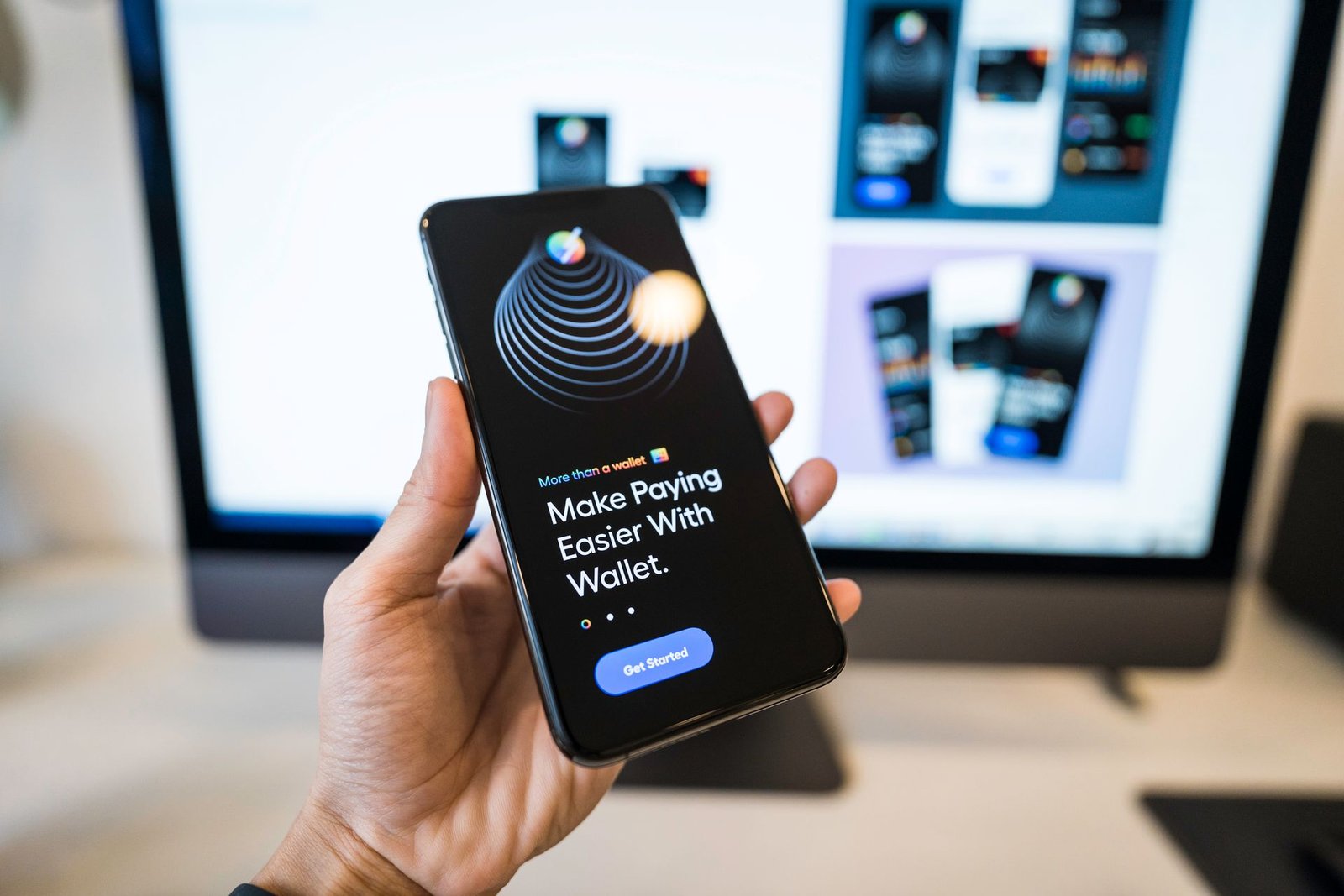
OpenAI has given ChatGPT a wallet. Launched on November 13, 2026, ChatGPT Wallet lets the chatbot’s AI agents — known as dots — complete purchases on your behalf, moving ChatGPT from a place where you research products to a place where you actually buy them. The catch, and the feature OpenAI is proudest of, is that the agent never sees your card number, and it cannot spend a cent without you approving each purchase with a security check. Here is what ChatGPT Wallet is, how it works, who can use it, and what it means for the future of online shopping.
Key Takeaways
- OpenAI launched ChatGPT Wallet on November 13, 2026, built with American Express, Mastercard and Visa.
- It lets dots, OpenAI’s always-on AI agents, pay for purchases on a user’s behalf — the agent never sees the actual card details.
- Every purchase requires the user’s review and a security check, such as Face ID or a fingerprint scan.
- At launch it is rolling out gradually to ChatGPT Pro subscribers aged 18 and over in the United States, with an eligible US-issued credit card and a US billing address. Debit cards and virtual cards are not supported at launch.
- OpenAI says it is taking no share of transactions at launch, and the wallet works with existing checkout pages — no special integration needed.
- ChatGPT Wallet is part of a wider race: Visa and Mastercard both launched their own agent-payment systems in April 2025, and OpenAI expects to eventually let users pre-approve spending within limits they set.
What is ChatGPT Wallet?
ChatGPT Wallet is a payment feature inside ChatGPT that stores your card and lets an AI agent use it — under your rules. OpenAI describes it as “the first wallet that lets agents pay without access to users’ actual card details and that requires a security check for every purchase”.
The idea is simple. Today, hundreds of millions of people use ChatGPT to research products, compare options and decide what to buy — OpenAI says 1.2 billion people use ChatGPT each week. Until now, the shopping journey stopped at the checkout page: you had to go to the merchant’s site and pay yourself. ChatGPT Wallet closes that gap. You ask dots, the agent OpenAI introduced on September 29, 2026, to buy something, and the agent can complete the purchase for you.
That makes ChatGPT Wallet different from an ordinary saved card. A saved card hands your details to the merchant. ChatGPT Wallet hands the agent a one-time token instead — and keeps your real card number out of the agent’s hands entirely.
How a ChatGPT Wallet purchase works
Here is the step-by-step flow, as OpenAI describes it:
1. Save a card once. You add an eligible credit card to ChatGPT Wallet. The card details are stored by the payment network, not by the agent.
2. Ask dots to buy something. You tell the agent what you want — for example, to order a specific product from a specific store. The agent finds it and prepares the purchase.
3. The network issues a token. Instead of your card number, the payment network — American Express, Mastercard or Visa — issues a transaction-specific payment token. The token works for that purchase only, so even if it were intercepted, it could not be reused.
4. You review and approve. Before any money moves, you see the purchase details and approve it with a security check, such as Face ID or a fingerprint scan. No purchase can complete without this step at launch.
5. The merchant gets paid normally. The wallet works with existing checkout pages and payment forms, so merchants do not need a special ChatGPT Wallet integration. OpenAI is also working with fraud-prevention firms Forter, Riskified, Sardine and Signifyd, and payment providers Adyen, Checkout.com and Stripe, to help their systems recognise and accept agent-initiated payments.
OpenAI has also published a Commerce Partner Playbook for merchants, and says it is taking no percentage cut of wallet transactions at launch — its focus, for now, is on building relationships with online sellers.
Who can use ChatGPT Wallet?
Not everyone, and not everywhere — at least not yet. The launch is deliberately narrow:
- ChatGPT Pro subscribers only, for now. Pro is OpenAI’s top-tier paid plan.
- United States only. You must live in the US and have a US billing address.
- Aged 18 or over.
- Eligible US-issued credit cards only — American Express, Chase, Mastercard or Visa credit cards. Debit cards are not supported at launch, and neither are virtual cards.
- Gradual rollout. Even eligible users will not all get it at once; OpenAI says it is rolling out gradually so it can learn from early use.
OpenAI has not announced a date for wider international availability, and says only that it will “expand availability” after learning from early use. For now, a ChatGPT Pro subscriber outside the US — or with a locally issued card — cannot use it.
Why the card networks are involved
ChatGPT Wallet is not OpenAI acting alone. It was built with the three big card networks — American Express, Mastercard and Visa — and each of them has been preparing for agent-led payments for some time.
Visa launched Visa Intelligent Commerce in April 2025, describing “tokenized digital credentials” that confirm a consumer’s chosen agent is allowed to act on their behalf. Mastercard launched Agent Pay the day before, introducing “Mastercard Agentic Tokens” built on the same tokenisation technology behind contactless mobile payments and cards saved on file. American Express describes ChatGPT Wallet as its first Agentic Commerce Experiences integration.
The networks’ role is what makes the security model work. Because the token comes from the network, the agent never touches the real card number — and the network, which already processes the payment, can apply its existing fraud checks to an agent-initiated transaction. That is the industry’s answer to the obvious question: how do you let software spend your money without handing it your card?
Not everyone is moving at the same speed, though. Google’s own help pages say Gemini cannot make transactions with Google Wallet, and some merchants are already blocking agent purchases — a reminder that agent commerce depends on sellers accepting it, not just on the technology existing.
What could go wrong — and the safeguards
Letting an AI agent spend your money raises obvious risks, and the launch design answers the biggest ones directly:
The agent buying the wrong thing. Because every purchase needs your review and a biometric check, the agent cannot complete a purchase you have not seen. That is the single most important safeguard — and the one OpenAI says it will keep as it adds more automation.
Your card details leaking. The token system means the agent never receives your card number, so a compromised agent or a data breach at an AI vendor cannot expose it. This matters: just this week, a breach at AI vendor Fireworks AI exposed Notion AI chat transcripts, a reminder that data handed to an AI assistant can end up in the wrong hands.
Fraud and chargebacks. OpenAI is working with specialist fraud-prevention firms and the payment networks’ own systems. Because the token is tied to a single transaction and the purchase is approved with a biometric check, the payment carries a stronger record of who authorised it than a plain saved card.
Losing control over time. OpenAI says it eventually expects to let users delegate purchases entirely — by setting spending limits, purchase categories or time periods and pre-approving them, with enhanced safeguards that build on biometric checks and authorisation records. That convenience will only be as safe as the limits users set, so the habit to build now is checking every purchase the agent proposes, even when it looks right.
For users, the practical advice is the same as for any payment method: use a card with strong fraud protection, review every purchase before approving it, keep your phone’s biometric lock on, and remember that an agent purchase is still a purchase — with the same refund and chargeback rules as any other card payment.
What ChatGPT Wallet means for online shopping
ChatGPT Wallet is a small launch with a large implication. If AI agents can pay, then the whole shape of online shopping can change: instead of browsing ten tabs, comparing prices and filling in checkout forms, you describe what you want and the agent does the rest. Merchants will compete to be the store the agent chooses, payment networks will compete to be the rails the agent pays on, and the checkout page — the most tedious part of buying online — may quietly disappear for many purchases.
That future is not here yet. The launch covers one country, one subscription tier, credit cards only, and every purchase still needs your approval. But the direction is clear, and OpenAI is not alone: the card networks, rival AI companies and payment providers are all building the same capability. The next step to watch is whether OpenAI opens the wallet to more countries and cheaper plans, and whether merchants embrace agent shoppers or block them. Either way, the checkout is about to get a lot more interesting — and a lot more automated.
Frequently Asked Questions
What is ChatGPT Wallet?
ChatGPT Wallet is a payment feature launched by OpenAI on November 13, 2026. It lets dots, OpenAI’s AI agents, pay for purchases on your behalf using network-issued payment tokens, so the agent never sees your actual card details. Every purchase requires your review and a security check, such as Face ID or a fingerprint.
Who can use ChatGPT Wallet?
At launch it is rolling out gradually to ChatGPT Pro subscribers aged 18 or over in the United States, with an eligible US-issued American Express, Chase, Mastercard or Visa credit card and a US billing address. Debit cards and virtual cards are not supported at launch, and OpenAI has not announced a date for other countries.
Is ChatGPT Wallet safe?
OpenAI built it with American Express, Mastercard and Visa around two safeguards: the agent receives only a one-time payment token, never your card number, and every purchase needs your approval with a biometric security check. As with any payment method, you should still review each purchase, use a card with strong fraud protection, and keep your device’s biometric lock enabled.
Conclusion
ChatGPT Wallet is OpenAI’s answer to a simple question: if an AI agent can find what you want to buy, why can’t it pay for it? The launch is deliberately careful — US only, Pro subscribers only, every purchase approved by you with a biometric check, and your card number never shown to the agent. That caution is the point: agentic commerce only works if people trust it, and trust has to be earned one approved purchase at a time. Watch for the rollout to widen beyond the US, and for merchants to decide whether they welcome agent shoppers — those two decisions will shape how fast AI takes over the checkout.
This article is for educational purposes only and is not financial advice.
Sources
- The Statesman — “ChatGPT Wallet launched: How OpenAI’s AI shopping payments work”
- AI Affairs — “OpenAI launches ChatGPT Wallet for purchases made by its dots agents”
- Unite.AI — “OpenAI Launches ChatGPT Wallet for Agent-Assisted Purchases”
- Silicon Report — “OpenAI announces ChatGPT Wallet to let AI agents make purchases”
- FourWeekMBA — “ChatGPT Wallet Explained: 3 Card Networks, a Check per Buy”
- iFynx — “ChatGPT Wallet: How It Works and Is It in the UAE, Saudi or Egypt?”
Read more on TrendGrid24.com